
How to prepare for the Camino de Santiago
There is an unwritten truth that lies beneath the Galician sun: Holiness doesn't smell of incense, but of sweat, worn soles, and friendship. Year after year, the number of pilgrims reaching Santiago continues to shatter all records. For many, it has become the quintessential alternative vacation, a trendy experience that promises relaxation and regeneration. But the true essence of the experience depends entirely on the spirit with which one chooses to put one foot in front of the other.
We met right there, in 2023: one came from Portuguese, the other from English. We were two survivors who had learned the hard way that the Camino is not a trek, but an exercise in gratitude: an asceticism of daily life where you learn to let yourself be surprised by the unknown, step by step, without ever truly knowing what awaits you over the next kilometer.
Yesterday, in front of the screen for Buen Camino In Checco Zalone's work, we found that same brutal honesty. Luca Medici didn't seek the poetry of the landscape, but chose to capture the hardships and raw emotions that only those who have walked can recognize as authentic, allowing us to relive, in part, the intensity of those days.
The dignity that greets you and the truth of the body
Zalone wins because he puts "human" suffering at the center. The kind that makes you forget abstract spirituality to focus on the day's only true goal: finding a tube of Radio Salil—the iconic mentholated painkiller that fills the air of every hostel—or a needle to puncture that blister that's now taken on the appearance of an autonomous province on your heel.
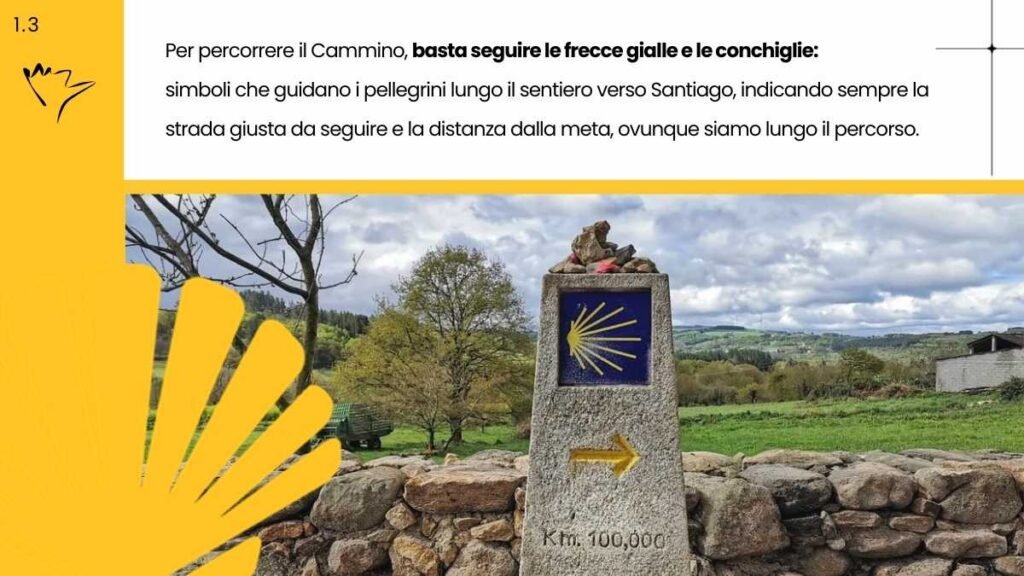
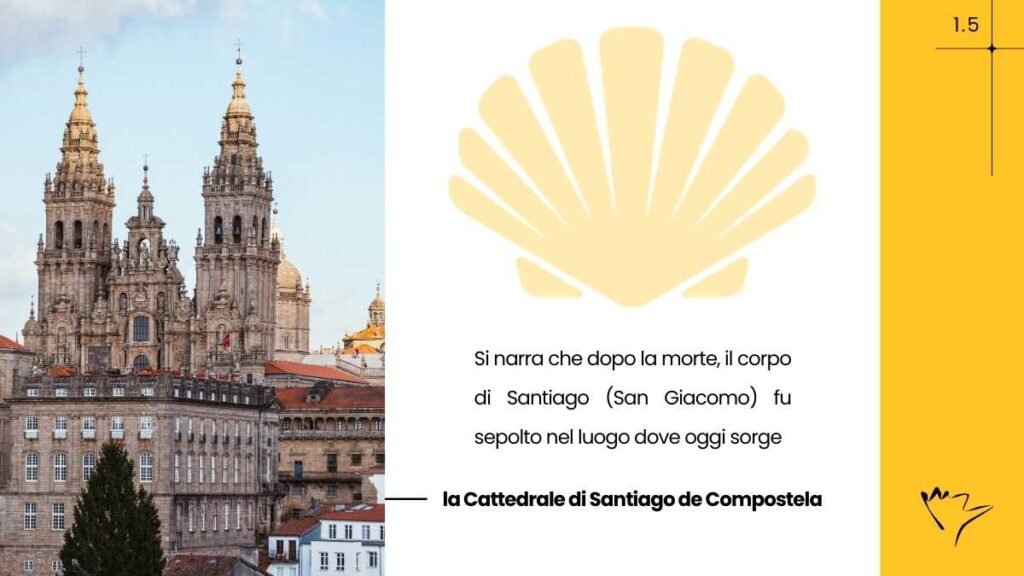
There's a precise moment in every Camino—whether it's through the mists of English or the waves of Portuguese—when your dignity wanes. It's that moment when you realize Zalone is laughing at us, but the truth is that after 20 km with 10 kg on our backs, we all become characters in one of his films. In that mud, you lose your filters, you lose your patience, and finally you become honest. You find yourself talking to the statue of Saint James not to ask for enlightenment, but to implore him to stop the snoring of your neighbor in the bed, who resembles a Landini tractor in the municipal hostel.
From loneliness to Community: the traveling family
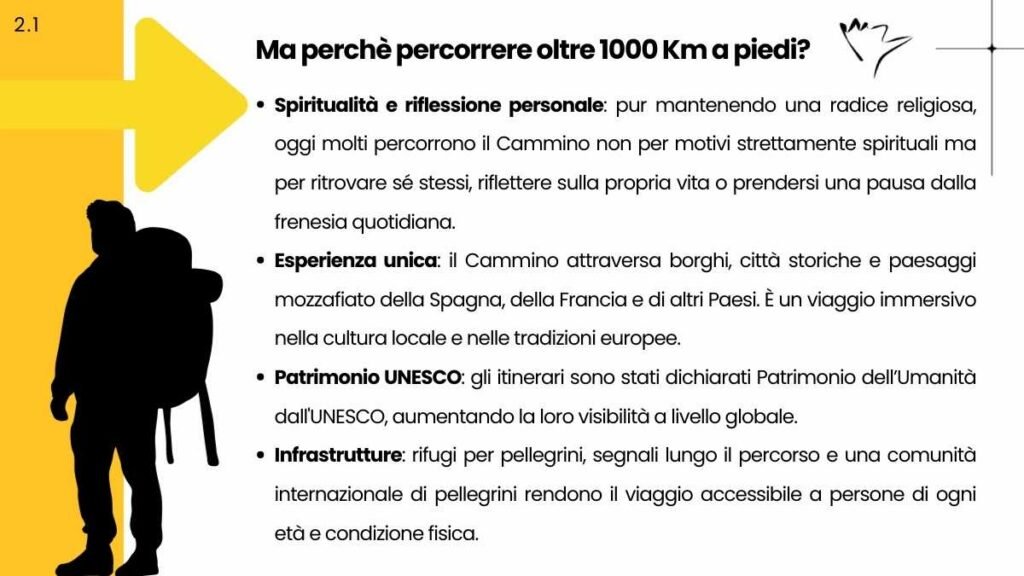
Sociologically, the Camino pushes us into what anthropologists call a state of "liminality": a limbo where origins, class barriers, educational qualifications, and social roles vanish. We strip away the superfluous and are left naked with our backpack and our questions. Often we set out alone, convinced we're embarking on an introspective journey, but the miracle is that we end up becoming a traveling family.
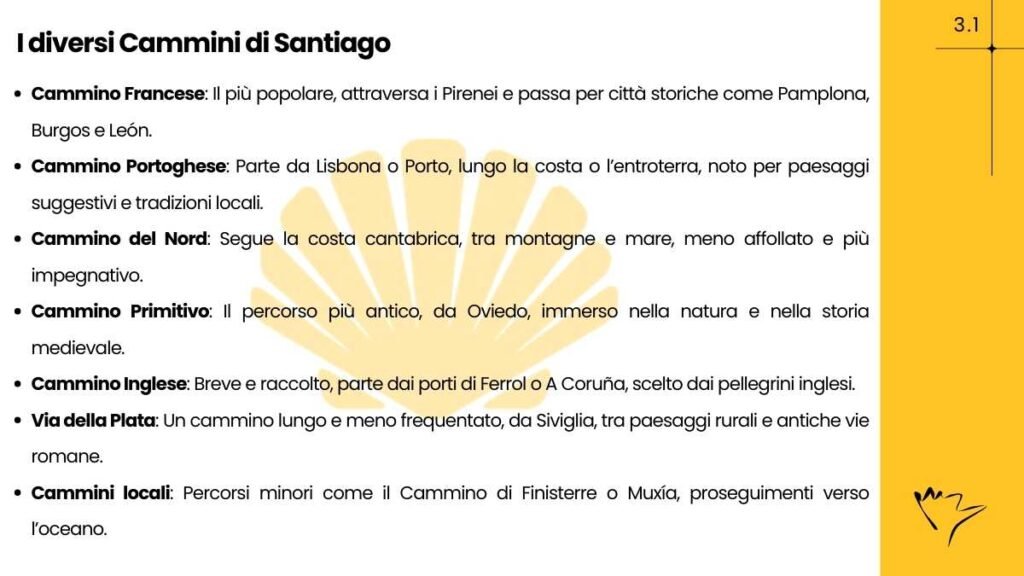

Nowhere else is the encounter with another so pure. The motivation to continue, when every muscle fiber screams to stop and despair takes over, comes not from a motivational mantra, but from the gaze of the person walking beside you.
Hours pass marked only by that “Buen Camino!” or that one’ “Cheer up!” shouted by a stranger who crosses your path: words that stop being simple greetings and become a breath of fresh air.
It's that "biological brotherhood" born from shared toil: you find yourself sharing your deepest thoughts with a stranger while sharing a wooden bench or a piece of bread. The other becomes your strength, and you become theirs. It's a dirty and tired humanity, but incredibly true.
The party and the table: the joy of survival
But the Camino isn't just introspection and pain; it's also an explosion of carefree joy that Zalone's film captures in its most convivial moments.
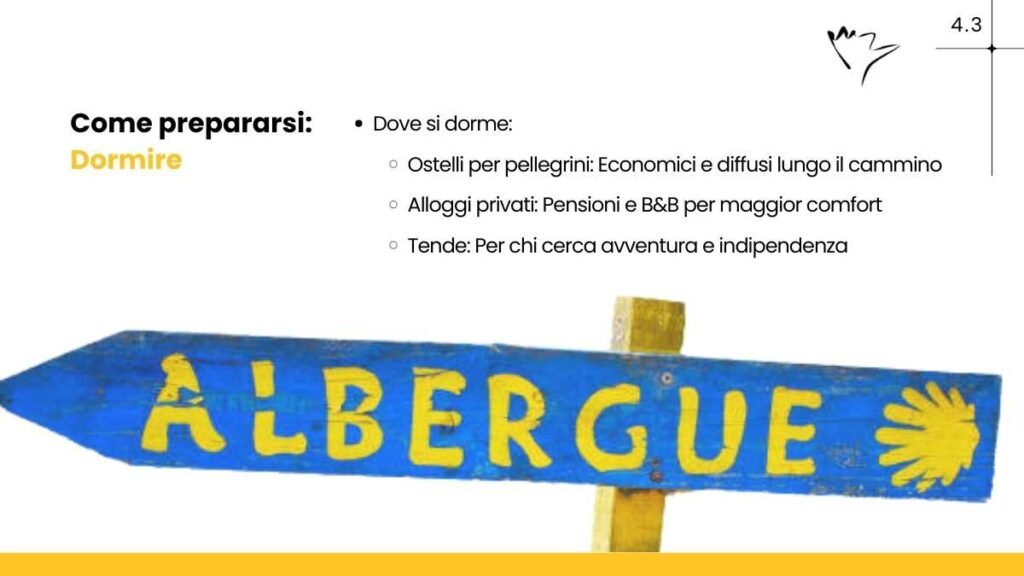
There is a unique lightness that you can feel when crossing the small towns of Spain, where the village festival welcomes you with the din of the bands and the scent of Galician-style pulpo. It's that Spanish surrealism where you find yourself participating in the party in flip-flops and socks, with heavy legs and a goofy smile, welcomed by the locals as if I had always been part of the community.

It's the spirit of sharing that explodes at the end of the day, when sharing a meal becomes the pilgrim's only true sacrament. It's the liturgy of the "Pilgrim's Menu": carafes of wine that miraculously appear, and that strange euphoria of those who know they've won their daily battle against gravity.
Over a glass of vino tinto, tiredness turns into euphoria. We find ourselves laughing at absurd situations, rediscovering a capacity for celebration that everyday life, with its deadlines and schedules, has stolen from us.
The logbook: stamps and Compostela
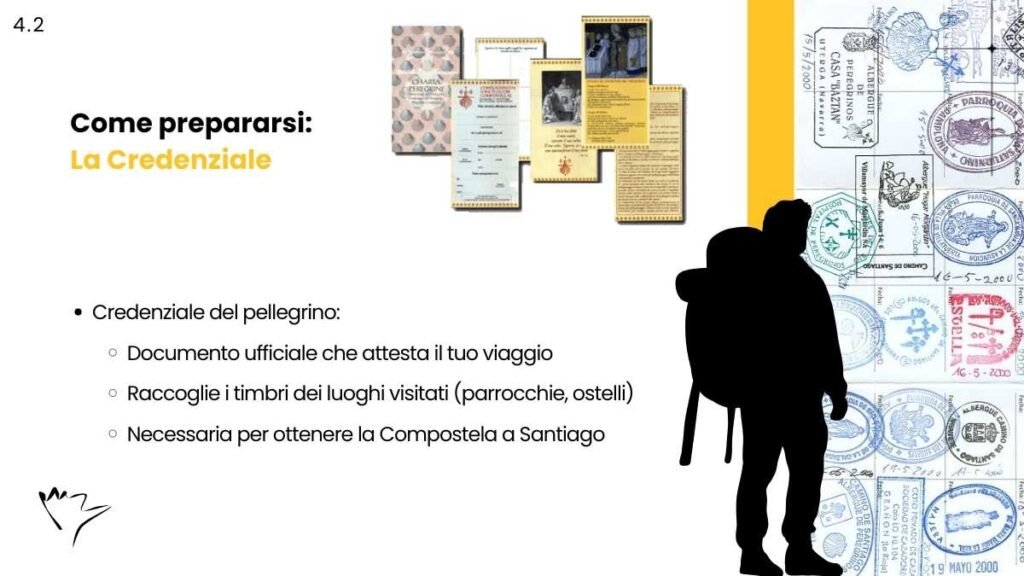
Along the way, the obsession becomes the Credential: that piece of paper that is filled with stamps (sellos) in every bar, church, or hostel, becoming tangible proof that you've been there, that you're still alive. Each stamp is a memory, a pause, a moment of respite.
All to get to Santiago and hold the Compostela: that document written in Latin that for many is merely a bureaucratic achievement, but which for us remains the certificate of an intimate resistance: the seal on a path that has ceased to be a line on the map to become a new way of inhabiting the world.
The thin line between fiction and silence
Of course, cinema has its rhythms, and Zalone has his comic timing, which at times outpaces reality. If the "Zalonization" of the pilgrim is liberating, those who have truly walked the path sense that fine line where witticisms replace long silences or that mental void that only hours of solitary walking can carve within you. It's a cynicism that sometimes seems to protect itself from raw emotion, stifling it precisely when the journey would force you to stand there and gaze at Galicia without saying a word.
The backpack as emotional baggage
Because, ultimately, a backpack doesn't just contain clothes: it represents our emotional baggage. Carrying that weight on our shoulders in 2023 was an act of psychological dispossession for us. The physical weight becomes the catalyst that destroys the superstructure: the backpack forces you to reckon with what you brought from home and which, kilometer after kilometer, you finally decide to let go.


We left the cinema longing to get back on the road. Zalone has established the right to say that the Camino is a tremendous effort, that the search for oneself often ends in the pharmacy, and that the miracle is not the purification of the soul, but the rediscovery of humanity through sacrifice.
We long for that version of ourselves: the one who, despite the pain, was able to recognize and find herself in a chance encounter at the end of a path. But nostalgia, if it doesn't become a step, remains merely a sterile emotion. The Camino isn't an event to be remembered, it's a state of mind to be inhabited.
For this, with Lechuguita, We've decided not to simply tell the story of the road, but to build it with you. If you feel the call of that dust, if you're ready to lose your dignity in a hostel to rediscover your humanity in an embrace, we're here to organize your journey. Because the next honest story about Santiago could be yours. Buen Camino!
